Dryer Vent CleaningClothes not drying, too hot, not looking right, higher energy bills and more. The pros will tell you: it’s not your dryer; it’s your vent and ducts.At home, do you find that your family’s clothes are wet or too hot, and energy bills are higher than normal? AIRTEK handles dryer vent cleaning, vent issues, and more for single and multi-family dwellings. Why clean dryer vents?
Most dryer vents should be cleaned once a year. However, depending on the age of the dryer, frequency of use, and the length of the vent, a dryer vent may need attention more frequently. Reduce the #1 Fire Hazard
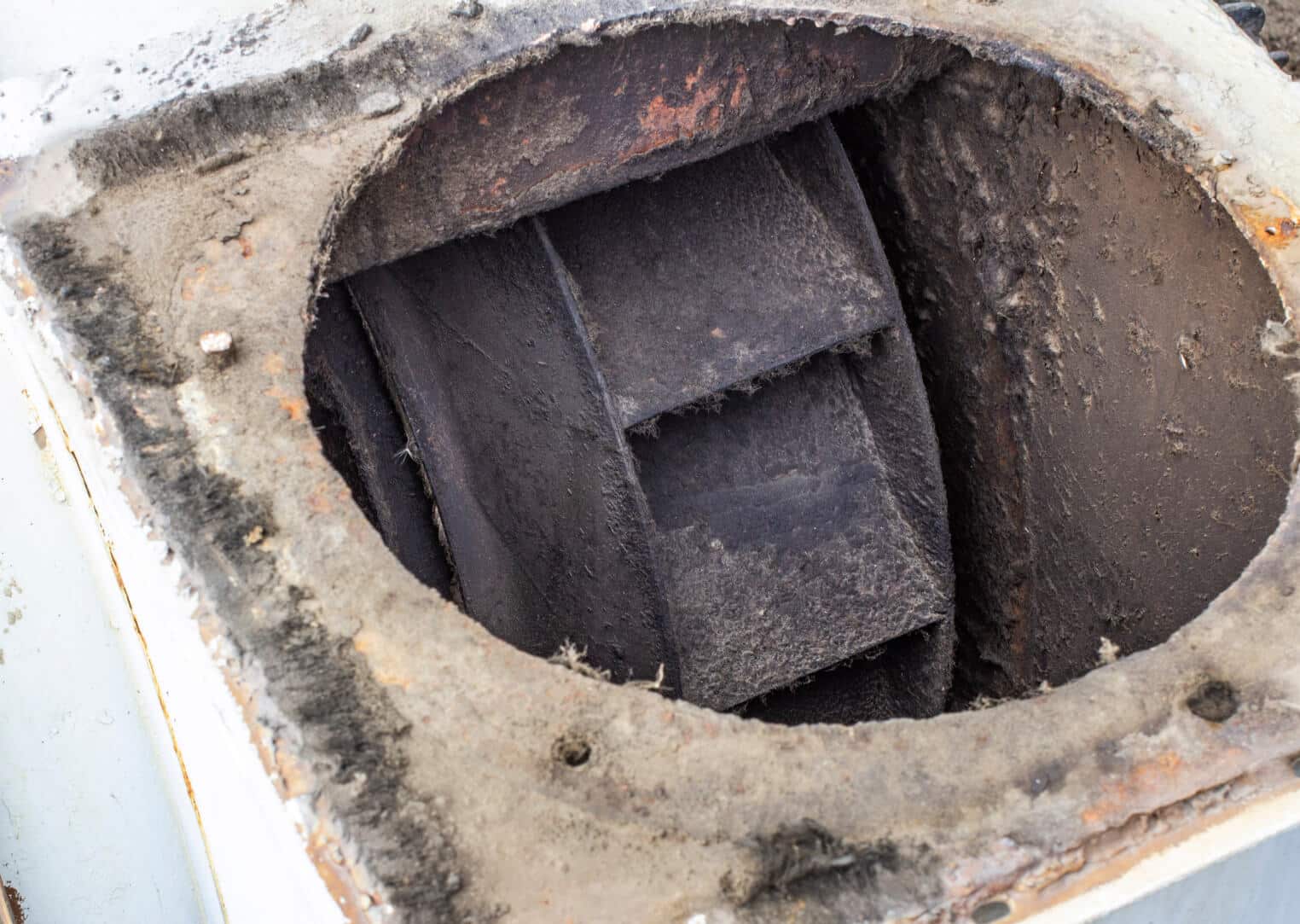
Clogged dryer vents are the leading cause of residential fires in the United States. According to the Consumer Products Safety Commission, there are an estimated annual 15,500 fires, 10 deaths, 310 injuries, and over $84,000,000 in property damage resulting from clothes dryers. Finally, indoor air quality is a major issue for building owners; accumulation of lint and reduced exhaust airflow increase the chance of fire. Lint is highly combustible and is actually one of the main ingredients for homemade fire starters. Benefits of Dryer Vent Cleaning Efficiency – A clean exhaust duct allows discharge of the heat, moisture and combustion by-products in the case of a gas-fired dryer without resistance. The resistance will create back-pressure in the system. Without adequate exhaust flow through the system, clothes take longer to dry, resulting in wasted energy, natural recourses, and result in increased utility costs. Appliance wear - If a dryer takes twice as long to dry clothes as it should, the dryer’s service life would be cut in half. The dryer running at unnecessarily higher temperatures can decrease the life even more. This can lead to the heating element burning out, or fire could ignite as a result of worn out safety controls.
|


The U.S. Consumer Product Safety Commission estimates that in 2003, clothes dryers were associated with 15,600 fires, resulting in 20 deaths and 370 injuries. Fires can occur when lint builds up in the dryer or in the exhaust duct. Lint can block the flow of air, cause excessive heat build- up, and result in a fire.